Katie Reget
Who deserves care? This question has been asked by professionals, providers, government officials. Discussions of universal health care, brought this question to the forefront of debate and congress, culminating in the passage of the Affordable Care Act. Yet despite the overwhelming need to care of all, in a world with limited resources we still are finding ourselves having to answer this question. One population that is repeatedly forgotten and subject to high rates of stigma as they access health care resources are injection drug users (IDUs).
As the opioid epidemic rages on, encompassing both rural, suburban and urban landscapes, against ages, race, ethnicity, culture, gender or identify the access and services for care is lacking for these individuals. While many barriers exist, perhaps the most relevant and preventable, is stigma and bias within providers themselves. On study found nationally 23.3% of physicians had negative attitudes toward injection drug users (Ding et al, 2005). While another study found physicians, who express high rates of negative attitudes or lack experiences in treating IUDs, where less likely to provide the life-saving treatments required, especially in treatment of HIV/AIDS in this population (Strathdee et al, 1998).
IDUs also low rates of access to care, included limited access to clean needle resources programs and naloxone/Narcan services. Limited access to these care programs, contributes to high rates of overdose emergency services, hospital visits, increases rates of viruses spread through used needles, skin infections from high-risk needle usage and many other preventative health risks (Kerr et al, 2005). As we look toward the future and treatment of this population, like many others, we need to commit to being unbiased care providers. As a community if we commit to changing out views about IUDs we can move forward to changing the nature of care and saving lives.
“How Communication Factors In” by the Director
Through many missteps and ‘oops’ moments, marketing and communications on HIV has finally reached a strong place in public health. Unfortunately, experts are concerned that public health awareness is leaving people who inject drugs out of their target audience. This is critical, as research has indicated that there’s a significant correlation between the occurrence of HIV and people who inject drugs (PWID). In 2016, 9 percent, or over 3,000, of the nearly 40,000 HIV diagnoses in the United States were for people who inject drugs (PWID), even though only 1.4 percent of women and 2.6 percent of men in the US have ever engaged in injection drug use.
Moreover, public health experts are concerned that communication campaigns for a one popular HIV remission drug, PREP, are not adequately reaching this audience. According to researchers at Boston University, knowledge regarding PREP has largely left out people who inject drugs. In a study by the Boston School of Public Health, researchers discovered that while 82 percent of surveyed Baltimore MSM knew about PrEP in 2017, only a quarter (24 percent) of surveyed syringe exchange participants, in 2016, were aware of it. Some individuals also fear the stigma of disclosing this to their primary care doctor. The lack of awareness of PREP combined with the stigma facing PWID as patients is a dangerous combination that needs to be studied further.
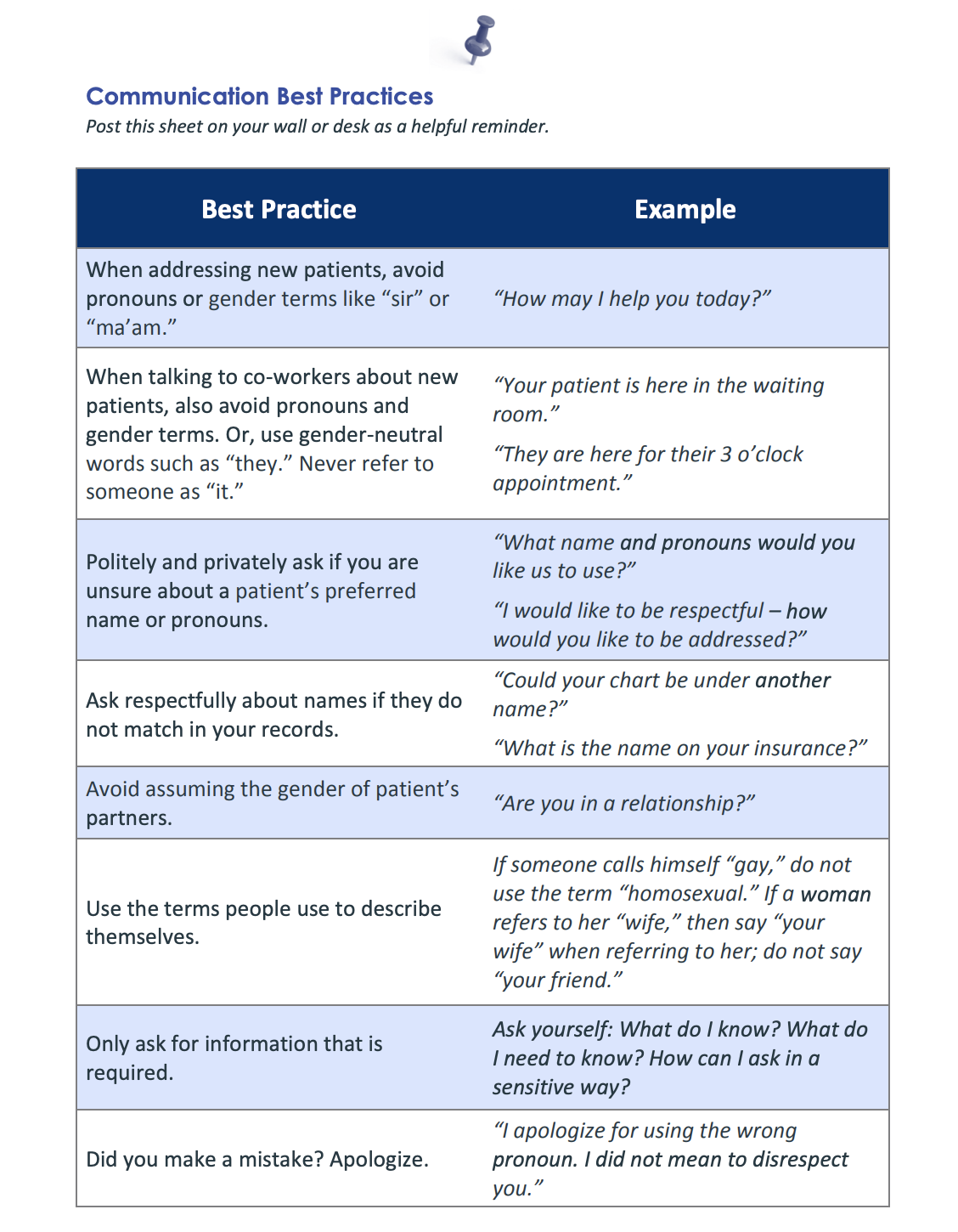
But solutions for reducing stigmatized conversations related to drug use are underway. It will take listening to viewpoints from clinical and non-clinical stakeholders to fully understand what it takes to achieve a stigma-free healthcare environment. One notable example of this comes from the Harm Reduction Coalition. In 2012, they created a comprehensive training communications curriculum for community-based direct service staff, caseworkers, therapists, peer advocates, program administrators, medical providers, and others interested in understanding and addressing drug- related stigma.