
Yetunde Dosu
In honor of June being Pride month, we at CFHJ would like to highlight important issues that those in the LGBTQIA+ community may experience with hopes of improving health communications and moving toward gaining better access to healthcare resources for those in this community.
Members of the LGBTQIA+ community statistically experience health concerns at alarming rates. It has been reported that LGBTQIA+ youth are 2 to 3 times more likely to attempt suicide. Members of the LGBTQIA+ community are also more likely to experience depression and anxiety and abuse drugs and alcohol. Adequate funding and access to mental health services with trained professionals is critical to improving mental health and reducing these rates. Members of the LGBTQIA+ community also have a higher risk of contracting HIV and other STD’s. Access to healthcare facilities that provide educational and screening services would likely reduce these rates.
Obtaining access to proper care for LGBTQIA+ patients may pose as a challenge. Biases against homosexual or transgendered individuals, known as homophobia and transphobia respectively, have impacted patient care. Unfortunately, some healthcare professionals fail to provide adequate care, with transphobia and homophobia affecting the quality of care a person receives. Though some of this may be rooted in ignorance (as some doctors may be uninformed on methods of treatment for some patients), one in 5 transgender patients have been rejected or denied care from a healthcare provider simply because of their gender identity. LGBTQIA+ patients are also less likely to receive preventive services for cancer, which can lead to late diagnoses, which can ultimately threaten the likelihood of a patient’s survival. With understandable unease with healthcare professionals, improving health communications targeted at LGBTQIA+ patients is vital.
Acknowledging the ways that the healthcare system tends to neglect people in the LGBTQIA+ community is a crucial step toward helping those that are most affected. Whether speaking to one another about these disparities or sharing posts such as this one, we can help make a difference and ultimately affect the health and quality of life of many people today and future generations. Together, we can help make a difference in improving health communications that directly impact the LGBTQIA+ community.
Check back on CFHJ’s website for more information on other communities impacted in the healthcare system, ways to get involved, and other resources that may be useful!
“How Communication Factors In” by the Director
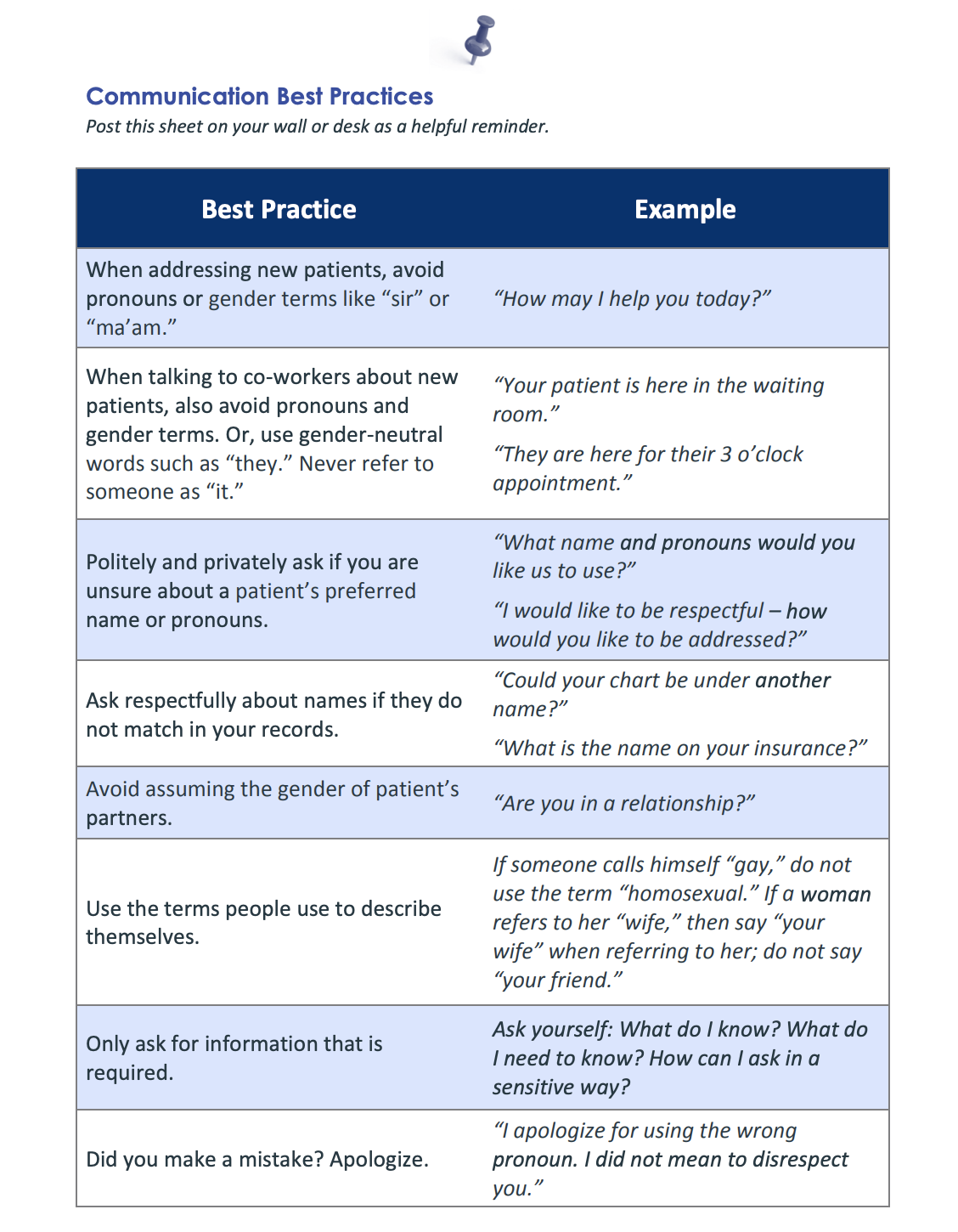
Research has demonstrated that experiences with discrimination and bias discourages many LGBTQIA+ patients from seeking care from providers. When a patient discloses and a provider responds negatively, this can lead to breakdowns in communication that can significantly impact a patient’s care. The National LGBT Health Education Center provides a few communication best practices to create inclusive healthcare environments.