
Quintin James
Let us just hop right into it. We all know that cancer affects all populations, but there are groups of people that may be more susceptible to cancer than others. White women are slightly more likely to develop breast cancer than African American, Hispanic, and Asian women, but African American and Hispanic women are more likely to develop more aggressive and a more advanced-stage of breast cancer than White women known as triple negative cancer. In addition, Black women are less likely to receive treatment, and are more likely to be diagnosed at later stages. The triple negative cancer (HER2-negative estrogen-receptor-negative and progesterone-receptor-negative) is so deadly because it has the possibility of coming back even after it has been treated which causes 200,000 deaths a year. Cancer disparities are determined by a number of factors such as incidence (new cases), prevalence (existing cases), mortality, morbidity (cancer related health complications), survivorship which includes life after treatment, burden of cancer or other related health conditions, screening rates and age at diagnosis. Subsequently, there are socioeconomic factors that must be adhered to such as poverty, education, income, unemployment. All of these in different forms contribute to the ubiquitous existence of ductal carcinoma in all women. African American women who are younger than 40 years old will be twice as likely to develop breast cancer and pre-menopausal breast cancer than White women the same age due to a high rate of corpulence, limited knowledge of breast feeding, and diet, which can be inimical to a woman’s biology.
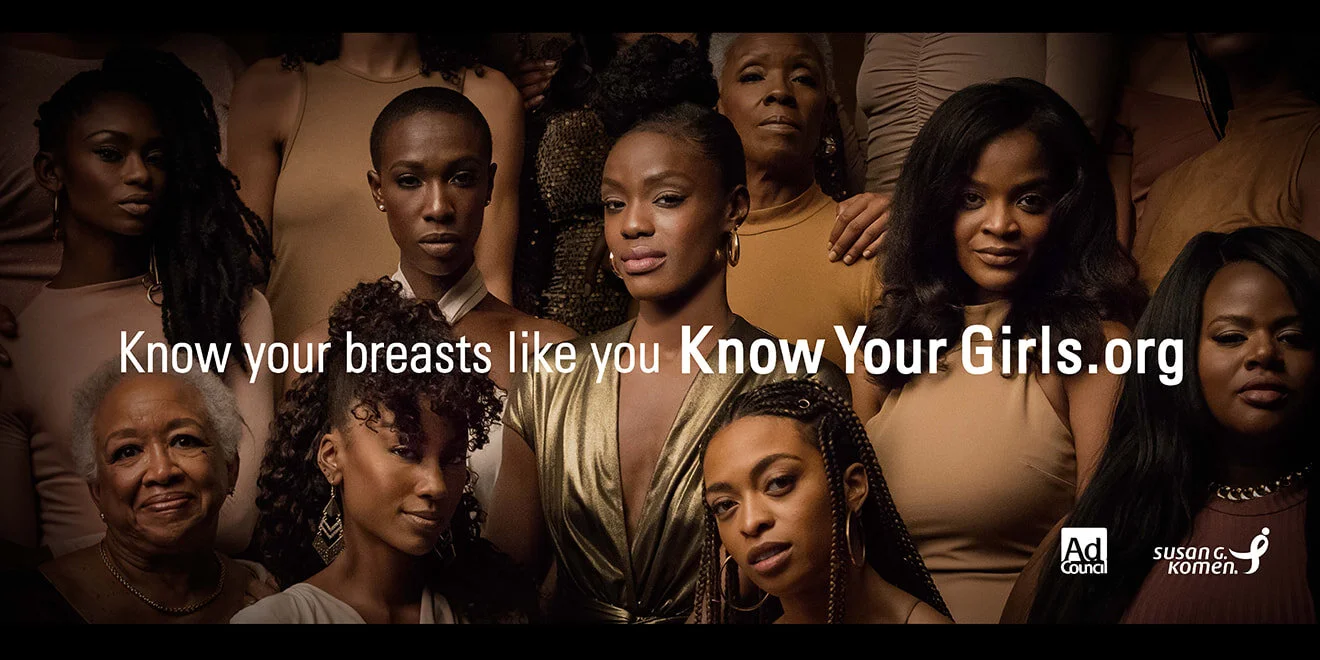
There are other health disparities which play a major role in breast cancer such as education levels which can be detrimental to some women’s health. The first is education. If a woman is not educated on the early screening processes by way of a mammogram, it can put her at a greater risk. There is also cultural competency gap for women with language barriers. This communication gap can inhibit the care of women who use English as their second language, receive. It may also prevent them from obtaining current health information without an interpreter. There are also geographic variables, with women in rural areas being screened less than women in urban areas. Economic status also plays a significant role in breast cancer disparities, as large number of ethnic groups who are low income have reported having a hard time receiving recommendations for mammograms. This delayed care can directly worsen symptoms due to a lack of quality, and continuity of care. So, how do you begin to fix this? I believe that one must first seek out stakeholders that are passionate about saving women’s lives. One group doing this work with full will is a progressive grassroots organization called the Susan G. Komen Breast Cancer Foundation. Susan G Komen has 117 affiliates in national communities and across the globe. This and many other feats make it one of the best organizations fighting breast cancer today. On average, they raise and donate 2 billion dollars a year towards breast cancer research. They are headed by President and Chief Executive Officer Paula Schneider, who is also a breast cancer survivor. Komen clearly has a strong financial backing. But for smaller organizations with less financial resources for research, a need to implement health education resources regarding early breast cancer screening, diet and healthy lifestyles, are a must. Unfortunately, breast cancer is a painful illness that is impacting communities across the nation and the world. Cancer does not only destroy the body; it attempts to destroy families and communities. This is why it is crucial to weave in elements of “community” into any breast cancer research, advocacy, policy, or intervention. It is also vital for stakeholders to learn the demographics in the surrounding populous so that language barriers and cultural competency will less of an issue. These modalities can also be seen in depth if you visit the Breast Cancer topic on “Healthy People 2020” by the CDC. In closing, there is an author named Paul Farmer who once said, “The essence of global health equity is the idea that something so precious as health might be viewed as a right.” Empathy is what emits light in the dark.
“How Communication Factors In” by the Director
The disparity for breast cancer between Black women and White women is most severe in Chicago, IL. Frankly put, one 2017 article, published in the Chicago Tribune, titled, “If I Lived on the North Side,” dictated the narrative of health inequality for this tragic illness as a simple case of “haves vs. have nots.” Here are some quick facts on breast cancer for Black women from an article on Pacific Standard:
-
Breast cancers in black women are more likely to be diagnosed when they are more advanced and may be more likely to spread.
-
More black women than white have “triple-negative” (TNBC), a problematic breast cancer to treat as it lacks the biological “targets” of ER or HER2 found on other sub-types, which can be attacked with specific drugs, like tamoxifen and Herceptin.
-
In 2003, the death rate for black women with breast cancer in Chicago was 68 percent higher than their white neighbors, a rate significantly higher than any other major metropolitan city in the U.S.
-
Black women in the U.S. get 6 percent less cancers, overall, than white women, but have a 14 percent higher rate of cancer deaths. In breast cancer, this racial disparity is further widening. From 2008 to 2012, breast cancer death rates were 42 percent higher for black women compared to white women.
From the outside, these stats give the impression that the disparity between Black and White women will never lessen. Fortunately, this is not the case in Chicago, as the Metropolitan Chicago Breast Cancer Task Force has created a task force, specifically dedicated to this very issue. Dr. Anne Marie Murphy, Director of the Task Force, explains the success of the program. “Chicago leads the nation in reducing breast cancer deaths for African-American women,” Murphy said “The task force is unique in that it took a comprehensive approach to this disparity. We really felt strongly one needed to do a comprehensive assessment and then take an evidence-based approach on the front end and gathered a lot data as to where the challenges are in Chicago.” I’m hoping that other cities adopt a similar strategy to reduce the disparity, so that fathers, husbands, sons, do not have to live without the important women in their lives. Let’s move from Chicago to the national scale. A recent study that came out this month, showed that hair dyes, straighteners, and other chemical products, have been scientifically linked to the development of cancer, especially for Black women. But why? Because Black women are the ones using the majority of such products. I got my first perm (straightener) in the 9th grade, and discontinued them after about 7 rounds of perming. (I DO NOT miss those days…). I have never used hair dye, but this news is alarming. It should come to no one’s surprise that hair care is important for myself and my fellow sisters. And fortunately, many of us have been accepting the “natural hair movement” in full force, rocking braids, twists, twist outs, and puffs to our hearts’ desires. These hairstyles require little to no chemical manipulation. But for Black women who swear by the “creamy crack,” how do we begin this conversation in our circles? I’m hopeful that my peer’s generation will be the first to not pressure their girls to perm their hair, and encourage them to wear it naturally, throughout the entirety of our daughters’ lives. Another final question to consider, does the general media market breast cancer as an illness that impacts all women, or some women? Moreover, are there necessary support groups, chemotherapy options, and cosmetic solutions (wigs, sensitive skin care, makeup, mastectomy bras), marketed to meet the needs of ALL communities, White, Black, and Brown? The data is clear, breast cancer affects all women. But treatment, and post-cancer care is not necessarily guaranteed to all survivors. So, on the comms side, is this an opportunity for marketing design and health communications? I certainly believe so.