Category: Uncategorized

  • Politicians vs. Public Health Experts? When Did It Come To This?

    Politicians vs. Public Health Experts? When Did It Come To This?

    Chelsea Dade

    “If public health professionals are questioned and limited by politicians, who will apply science to protect the people?”

    “It’s imperative that public health officials at the federal, state, and local levels—rather than politicians—have the lead role in communicating. Here’s what they need to do to lead during this COVID-19

    pandemic.”

    These are just a few tweets that I’ve seen on Twitter as of late regarding politicians, and public health experts’ response to them being “in their space.” 

    On a personal note, I simply wish people, both in public health and in other fields, would stop framing our current crisis as “politicians vs. public health experts.”

    This dichotomous framing is what got us here in the first place, with an “illusion” that our work was above political agendas. Health is political, period. To debate it is unnecessary. 

    Not to mention that there are several policymakers, including Reps. Ayanna Pressley, Karen Bass, and Lauren Underwood, who are doing the necessary work to protect the health of their constituents and the nation, inside the politician arena. So you can imagine how tiresome it is when public health officials degrade policy professionals who are also doing public health work through a different method. 

    Since 2019, Representative Pressley (D-Mass.) has sponsored at least 4 bills concerning public health, including the Justice for Incarcerated Moms Act, Affordability is Access Act, Supporting Reproductive Healthcare in the US Act, and the Healthy Mommies Act. All have been referred to a Committee. 

    Representative Bass (D-Calif.) sponsored more than 10 bills about health, including the Physician Assistant Education Public Health Initiatives Act of 2017, Health IT Modernization for Underserved Communities Act of 2017, Health Insurance for Former Foster Youth Act. Many of her bills have received bipartisan and republican support. 

    In just a little over a year in Congress, Representative Underwood (D-Ill.) has cosponsored multiple health bills. And the majority of them have received support on both sides of the aisle. These include the Health Care Affordability Act of 2019, Black Maternal Health Momnibus Act of 2020, and the American Cures Act. 

    These phenomenal women don’t throw a tizzy because of challenging nature of politics: they simply get the job done. 

    Finally, if public health folks truly want to call out the politicians who are harming public health, you have to start from the top and name specific names, beginning with 45. But I haven’t seen this from many experts for “expected reasons.”

    At the end of the day, as we’ve seen with the current direction of the CDC, its policy that controls public health, and not the other way around. Let’s all put on our big kid pants and work better, together. 

  • The Vaping Crisis and its Health Effects on Adolescents and Youth

    The Vaping Crisis and its Health Effects on Adolescents and Youth

    Uche Fidelia Nnoruka

    Vaping is a major public health issue and research shows that public health issues often extremely affect vulnerable populations. While the evidence of harm attributable to vaping is yet to be fully developed, some scientists and clinicians agree that the emerging pattern is deeply concerning, especially, as it majorly affects youths and adolescents. Currently, Center for Disease Control and Prevention (CDC) reported about 94 possible cases, across 14 states of severe pulmonary illness linked to vaping and nearly one-third of them were in Wisconsin. Patients in this investigation reported of respiratory symptoms such as cough, shortness of breath or chest pain, gastrointestinal symptoms such as nausea, vomiting and diarrhea, and non-specific constitutional symptoms such as fever, chills and weight loss.

    However, none of these symptoms appeared to be as a result of lung infection, hence, more reason to attribute these to an identified substance of concern in E-cigarette or Vaping Use-Associated Lung Injury (EVALI). National and state data from patient reports and product sample testing suggest tetrahydrocannabinol (THC)-containing e-cigarette, or vaping, products, particularly from informal sources like friends, family, or in-person or online dealers, are linked to most EVALI cases and play a major role in the outbreak.

    HOW is this topic related to an EQUITY issue in healthcare?

    There are some well-established theoretical and evidence-based reasons to associate vaping with cardiovascular diseases and even death; hence, making it a health equity issue that can be addressed. Vaping has since been an issue; however, waiting to obtain an incontrovertible evidence before addressing it results in more harm and that is a health equity issue surrounding vaping. To better promote health equity, establishing policy interventions is a way to reduce the harm that results from vaping.1 Equity in healthcare could be understood as the absence of avoidable difference among groups of people which involves more than lack of equal access to resources needed to improve health.

    HOW is this topic related to a COMMUNICATION issue in healthcare?

    Lack of communication create problems in healthcare and in case of vaping crisis, most youths and adolescents who indulge in vaping are not very knowledgeable or aware of possible health issues that results from such behavior. To ensure that communicative measures are followed to better the health of these specific population, it is important that all communications focus on clarity and accuracy of vaping and its impacts on health. Adolescents and young adults should be educated on ways to stop vaping, if they are into that habit already and its long-term health effects through many mediums such as schools, community programs and even from their healthcare professionals.  

    Specifically, healthcare professionals should ask patients about vaping use while providing medical care for certain conditions such as cough, seizures, chest pain, and other related health conditions that may result from vaping. Additionally healthcare providers and consumers should report adverse health events to the use of these products once without waiting to obtain substantial evidence. It is imperative that no matter what new communications protocols healthcare professionals choose to adopt, the fact remains that improved communications are essential to properly maintain a healthy lifestyle and to provide awareness for health effects of vaping.

  • “COVID-19” (i.e. the Coronavirus)

    “COVID-19” (i.e. the Coronavirus)

    Emma McCarthy

    Last week I flew from Chicago to Newark, and at both airports I saw dozens of people wearing protective face masks. Like Ebola and H1N1 before it, Coronavirus has created mass panic across the United States. Coronaviruses are a family of viruses that cause illnesses from a common cold to more severe diseases such as Severe Acute Respiratory Syndrome (SARS). The novel coronavirus is a new strain, passed from livestock, that has just recently been reported in humans. While the risk level to Americans remains low, Health and Human Services Secretary Alex Azar has declared a public health emergency. There is much international and national concern surrounding the coronavirus. However, why aren’t we as a nation, equally concerned about other preventable causes of death with higher incidence rates? As of February 10, thirteen Americans have been infected with the novel coronavirus and none have died. At this same date, there have been 4,549 gun related deaths in 2020. In 2019, nearly 40,000 people died as a result of gun violence. For more context, each year, about 700 women die from pregnancy or delivery complications. Native American/Alaska Native women and black women are 2-3x more likely to die from a pregnancy related cause compared to white women. Since August 2019, 64 individuals have died as a result of e-cigarette, or vaping, product use associated lung injury (EVALI). An estimated 13,000 people die each year while experiencing homelessness. In 2018, 48,344 Americans died by suicide. The CDC estimates that there are 192 drug overdoses in the Unites States every day. Finally, as of February this year, there have been between 12,000-13,000 deaths from influenza this season. So why is there so much concern over the coronavirus when so many other health concerns plague our nation? This is not to say the novel coronavirus poses no risk. However, perhaps we as Americans should be just as frightened by some of the aforementioned health issues as we are of coronavirus. Perhaps with the same level of concern there would be a similarly diligent course of action for these far more pressing problems.

    * The World Health Association recommends standard prevention method to stop the spread of novel coronavirus; regular hand washing, covering mouth and nose when coughing and sneezing, and avoiding close contact with anyone showing symptoms. ​ 

    “How Communication Factors In”

    What are a few communication issues surrounding the Coronavirus? ​

    1. Misinformation: There is a great deal of misinformation about 1) how the coronavirus came to be, 2) how it is contracted and spread, and 3) how to protect yourself from it.

    2. Listen to official channels: While there are thought-pieces published on various websites and journals right now, it is advised that individuals who want to know more about the Coronavirus, they should visit the World Health Organization (WHO) and Centers for Disease Control and Prevention (CDC)’s websites.   Does this health issue have an equity concern?  Indeed it does. Though it should go without saying, the CDC has recently put out a communications checklist that directly warns individuals against showing prejudice to people of Asian descent, because of fear of this new virus. In short, do not assume that someone of Asian descent is more likely to have 2019-nCoV. 

  • “Looking for Light in the Dark,” Breast Cancer Disparities

    “Looking for Light in the Dark,” Breast Cancer Disparities

    Quintin James

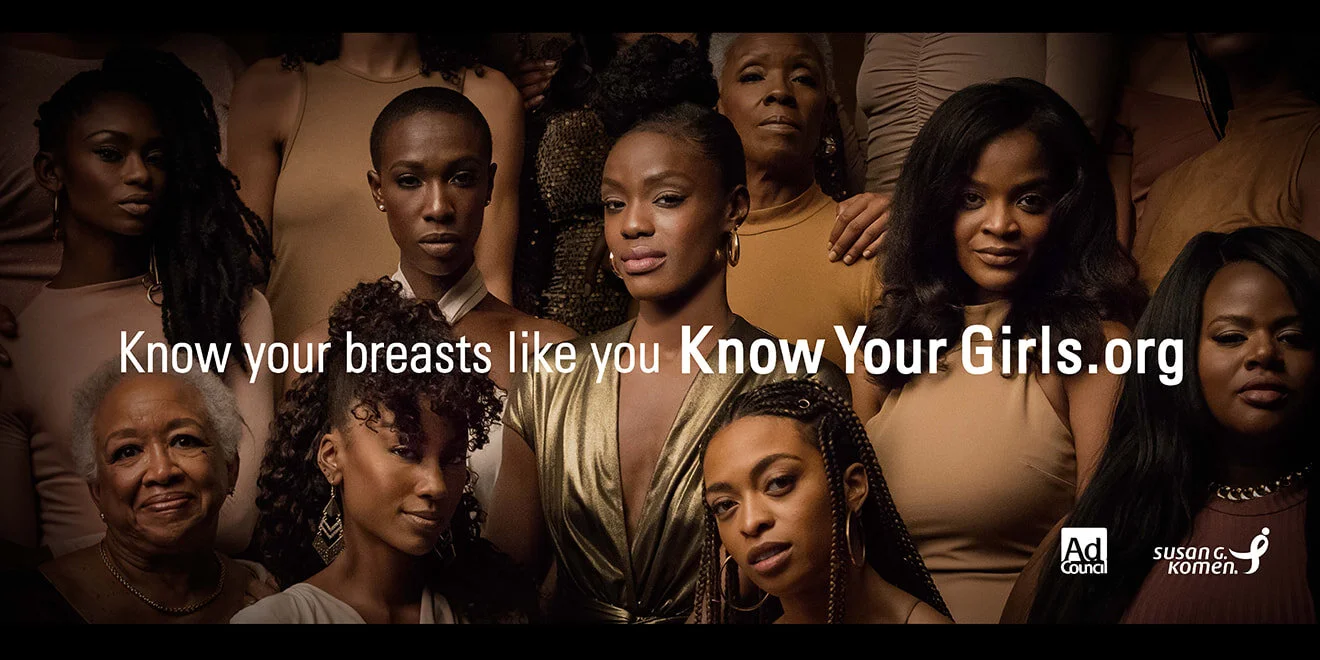
    Let us just hop right into it. We all know that cancer affects all populations, but there are groups of people that may be more susceptible to cancer than others. White women are slightly more likely to develop breast cancer than African American, Hispanic, and Asian women, but African American and Hispanic women are more likely to develop more aggressive and a more advanced-stage of breast cancer than White women known as triple negative cancer. In addition, Black women are less likely to receive treatment, and are more likely to be diagnosed at later stages. The triple negative cancer (HER2-negative estrogen-receptor-negative and progesterone-receptor-negative) is so deadly because it has the possibility of coming back even after it has been treated which causes 200,000 deaths a year.  Cancer disparities are determined by a number of factors such as incidence (new cases), prevalence (existing cases), mortality, morbidity (cancer related health complications), survivorship which includes life after treatment, burden of cancer or other related health conditions, screening rates and age at diagnosis. Subsequently, there are socioeconomic factors that must be adhered to such as poverty, education, income, unemployment. All of these in different forms contribute to the ubiquitous existence of ductal carcinoma in all women. African American women who are younger than 40 years old will be twice as likely to develop breast cancer and pre-menopausal breast cancer than White women the same age due to a high rate of corpulence, limited knowledge of breast feeding, and diet, which can be inimical to a woman’s biology. 

    There are other health disparities which play a major role in breast cancer such as education levels which can be detrimental to some women’s health. The first is education. If a woman is not educated on the early screening processes by way of a mammogram, it can put her at a greater risk. There is also cultural competency gap for women with language barriers. This communication gap can inhibit the care of women who use English as their second language, receive. It may also prevent them from obtaining current health information without an interpreter. There are also geographic variables, with women in rural areas being screened less than women in urban areas. Economic status also plays a significant role in breast cancer disparities, as large number of ethnic groups who are low income have reported having a hard time receiving recommendations for mammograms. This delayed care can directly worsen symptoms due to a lack of quality, and continuity of care.  So, how do you begin to fix this? I believe that one must first seek out stakeholders that are passionate about saving women’s lives.  One group doing this work with full will is a progressive grassroots organization called the Susan G. Komen Breast Cancer Foundation. Susan G Komen has 117 affiliates in national communities and across the globe. This and many other feats make it one of the best organizations fighting breast cancer today. On average, they raise and donate 2 billion dollars a year towards breast cancer research. They are headed by President and Chief Executive Officer Paula Schneider, who is also a breast cancer survivor. Komen clearly has a strong financial backing. But for smaller organizations with less financial resources for research, a need to implement health education resources regarding early breast cancer screening, diet and healthy lifestyles, are a must. Unfortunately, breast cancer is a painful illness that is impacting communities across the nation and the world. Cancer does not only destroy the body; it attempts to destroy families and communities. This is why it is crucial to weave in elements of “community” into any breast cancer research, advocacy, policy, or intervention. It is also vital for stakeholders to learn the demographics in the surrounding populous so that language barriers and cultural competency will less of an issue. These modalities can also be seen in depth if you visit the Breast Cancer topic on “Healthy People 2020” by the CDC.  In closing, there is an author named Paul Farmer who once said, “The essence of global health equity is the idea that something so precious as health might be viewed as a right.” Empathy is what emits light in the dark. 

    “How Communication Factors In” by the Director

    The disparity for breast cancer between Black women and White women is most severe in Chicago, IL. Frankly put, one 2017 article, published in the Chicago Tribune, titled, “If I Lived on the North Side,” dictated the narrative of health inequality for this tragic illness as a simple case of “haves vs. have nots.”  Here are some quick facts on breast cancer for Black women from an article on Pacific Standard: 

    1. Breast cancers in black women are more likely to be diagnosed when they are more advanced and may be more likely to spread. 

    2. More black women than white have “triple-negative” (TNBC), a problematic breast cancer to treat as it lacks the biological “targets” of ER or HER2 found on other sub-types, which can be attacked with specific drugs, like tamoxifen and Herceptin.

    3. In 2003, the death rate for black women with breast cancer in Chicago was 68 percent higher than their white neighbors, a rate significantly higher than any other major metropolitan city in the U.S.

    4. Black women in the U.S. get 6 percent less cancers, overall, than white women, but have a 14 percent higher rate of cancer deaths. In breast cancer, this racial disparity is further widening. From 2008 to 2012, breast cancer death rates were 42 percent higher for black women compared to white women.

    From the outside, these stats give the impression that the disparity between Black and White women will never lessen. Fortunately, this is not the case in Chicago, as the Metropolitan Chicago Breast Cancer Task Force has created a task force, specifically dedicated to this very issue. Dr. Anne Marie Murphy, Director of the Task Force, explains the success of the program.  “Chicago leads the nation in reducing breast cancer deaths for African-American women,” Murphy said “The task force is unique in that it took a comprehensive approach to this disparity. We really felt strongly one needed to do a comprehensive assessment and then take an evidence-based approach on the front end and gathered a lot data as to where the challenges are in Chicago.” I’m hoping that other cities adopt a similar strategy to reduce the disparity, so that fathers, husbands, sons, do not have to live without the important women in their lives.  Let’s move from Chicago to the national scale. A recent study that came out this month, showed that hair dyes, straighteners, and other chemical products, have been scientifically linked to the development of cancer, especially for Black women. But why? Because Black women are the ones using the majority of such products. I got my first perm (straightener) in the 9th grade, and discontinued them after about 7 rounds of perming. (I DO NOT miss those days…). I have never used hair dye, but this news is alarming. ​ It should come to no one’s surprise that hair care is important for myself and my fellow sisters. And fortunately, many of us have been accepting the “natural hair movement” in full force, rocking braids, twists, twist outs, and puffs to our hearts’ desires. These hairstyles require little to no chemical manipulation. But for Black women who swear by the “creamy crack,” how do we begin this conversation in our circles? I’m hopeful that my peer’s generation will be the first to not pressure their girls to perm their hair, and encourage them to wear it naturally, throughout the entirety of our daughters’ lives.  Another final question to consider, does the general media market breast cancer as an illness that impacts all women, or some women? Moreover, are there necessary support groups, chemotherapy options, and cosmetic solutions (wigs, sensitive skin care, makeup, mastectomy bras), marketed to meet the needs of ALL communities, White, Black, and Brown? The data is clear, breast cancer affects all women. But treatment, and post-cancer care is not necessarily guaranteed to all survivors. So, on the comms side, is this an opportunity for marketing design and health communications? I certainly believe so.

  • Culture and Health: What You Might Not Know

    Culture and Health: What You Might Not Know

    Uche Fidelia Nnoruka

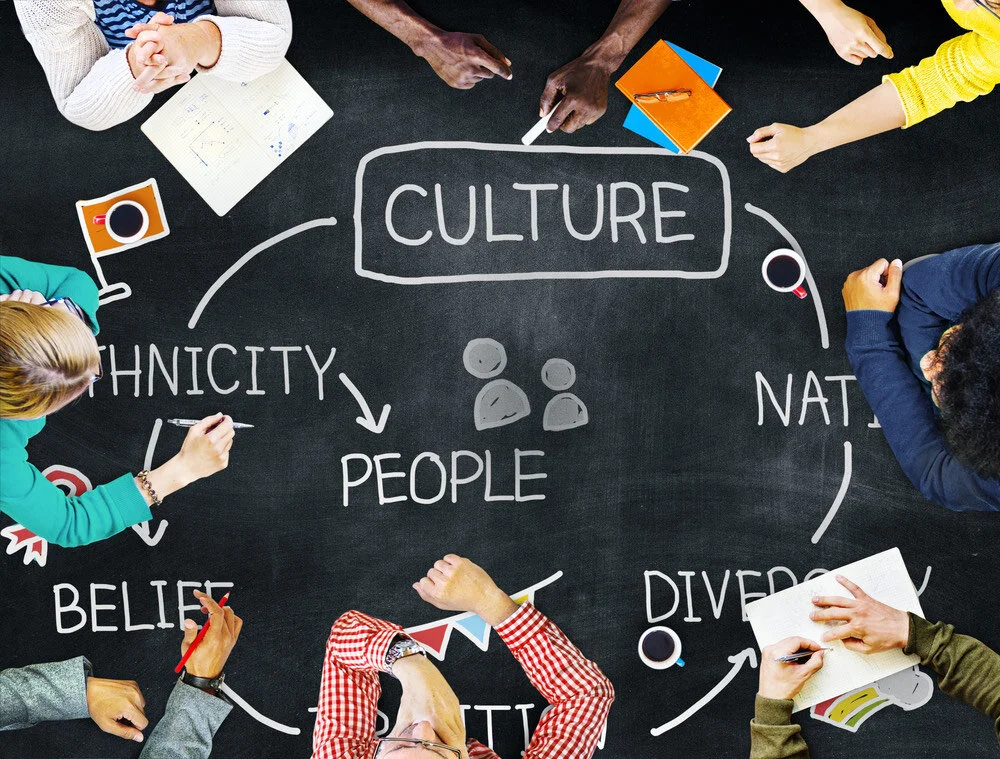
    “Culture of health” is broadly defined as “a way in which good health and well-being flourish across geographic, demographic, and social sectors by fostering healthy equitable communities guides public and private decision making; and everyone has the opportunity to make choices that lead to healthy lifestyles.” In our society, there are many cultural practices that may affect the way healthcare can be delivered. For healthcare to be properly delivered, it is imperative that healthcare services applied respects diversity in the patient population and cultural factors that affects health and healthcare delivery. Some cultural practices can be language difference, beliefs, attitudes, behaviors and religion. Cultural competence is critical in healthcare because patients who feel their healthcare providers respect their beliefs, customs, values, language, and traditions are more likely to feel free to communicate their healthcare needs to their providers, and this will help to reduce healthcare disparities and improve patient care outcomes.

    For example, in the African-American community, there are a lot of healthcare disparities that affect the ability to receive proper healthcare. These include structural, financial, and social barriers to care. However, within the community exist beliefs that certain diseases do not affect them; thus do not see the need for the vaccine. A common viral infection such as influenza (flu) affects every member of a community, regardless of culture, belief, age, sexual identity, race or gender. However, there are still a few African American members of the community who believe that flu vaccination causes them to have the flu infection. 

    Comparing the beliefs of Whites, African Americans, and Latinos, Whites seem to most likely to believe that influenza vaccine is very effective in preventing influenzas compared to African Americans and Latinos. At the same time, there is a significant population of Whites who believe that other staple vaccines, such as the MMR vaccine, causes development issues, like autism, among children. This “vaccine hesitancy” has become a subculture in itself, but it’s more of a privilege of the rich, white, and wealthy.

    We all hold beliefs about the healthcare we receive, regardless of our race. In the end, it becomes problematic if only the beliefs of African Americans or Latinos, are dismissed, while Whites’ beliefs are supported, financially and socially, by the healthcare system and those in it.

    With such difference in beliefs, it can be a challenge to provide proper healthcare to people because they may reject it. Still, professionals have a responsibility to consider that such beliefs can exist in the setting of a doctor’s office, and plan for what actions they will take next. Regardless of how strongly one holds to their beliefs, healthcare providers are obliged to respect their personal and cultural beliefs.

    It’s safe to say that cultures and beliefs are clear determinants of healthcare delivery among racial and ethnic groups, but also among the general population. Hence, to address this, there should be strategies implemented such as community education to help educate members of the community on the importance of how cultures and beliefs can affect the delivery of healthcare. 

    “How Communication Factors In” by the Director

    Cultural competency is the perfect note to end 2019 at CFHJ on. It’s why I created this platform. It’s why I care about health and healthcare. It’s why I do the work I do.  If you are in healthcare, and you don’t consider the idea of bringing cultural competency into your work, you need to keep reading.   I believe that many people don’t understand why culture matters in healthcare, because it does not matter to their lives. Consider the demographics of physicians, healthcare CEO’s, and healthcare management. It’s predominantly White. But race aside, since we live in a self-absorbed, vain society, where people look out for number one, of course non-affected parties would not care about the impact of cultural differences on health.  Let’s start with some definitions of cultural competency vs. cultural humility, because there are multiple ways to acknowledge cultural factors, by definition.  See the descriptions below.

    In essence, cultural competency “implies that one can function with a thorough knowledge of the values and beliefs of another culture” (“Recovery U: Diversity and Cultural Humility,” pg. 4). Cultural humility on the other hand, “Acknowledges that it’s impossible to be adequately knowledgeable about cultures other than one’s own”. Humility denotes a willingness to accurately assess oneself and one’s limitations, the ability to acknowledge gaps in one’s knowledge, and an openness to new ideas, contradictory information, and advice.” 

    When it’s time to implement these terms in real time, it’s up to you to determine which one you’ll pick.  I believe that the healthcare community, thus far, is currently working with the first definition but gradually moving the latter. The important thing is that we consider the impact of culture in our varied work as health comm specialists, healthcare providers, nurses, doctors, allied health practitioners, and more. Over this year, I’ve gotten the chance to meet (in person and via the web) many healthcare providers who DO care about immersing cultural humility into their healthcare practices. 

    They are the ones who continue to inspire me to do what I do and be unrelenting about it. 

    From time to time, I get feedback from people who tell me, “Wow, you’re so innovative and brave to create a platform like CFHJ!” Or, “You are beyond courageous for making this space, as you might get a lot of pushback from this platform, seeing as it is putting a spotlight on healthcare inequalities, both systematic and manmade.”

    I am appreciative of all of these kind words. And I truly appreciate all of the support I’ve received since creating and launching CFHJ. But I do this because for way too long, no one was doing this. No young person was bold enough to speak about healthcare injustices, because as young people, we are often told to be quiet and wait our turn. But our input is valid and warranted in healthcare discussions, especially as the pending healthcare revamp will be the system we age into. Just because (some) of use do not pay for our own insurance yet, does not mean we don’t see injustices in the system that exists before us. I went to high school with kids with Cystic Fibrosis and my sister’s best friend from college navigated school while managing Sickle Cell. Both of them could tell you in vivid detail just how the healthcare system affected the very fabric of their lives, even though they were not the primary mayors of their care.

    Finally, it’s no question, when you see harm being done, you have to speak up and say something. If I see or hear of harm being done to people, especially people who look like me, I speak up. It’s that simple. It’s not rocket science, it’s standing up for others when no one else will, and it’s the right thing to do.

  • Disregarding Domestic Violence Has Created a Public Health Crisis

    Disregarding Domestic Violence Has Created a Public Health Crisis

    C. Imani Williams

    October is Domestic Violence Awareness Month. Throughout the month we’ll examine the myths around DV, and what survivors need to know including boundary setting, red flags, safety plans, self-care, and moving forward. 

    Domestic violence is a health concern for Black women, families, and communities. Domestic violence which can include emotional, physical, and verbal abuse are equally community and public health issues. The Centers for Disease and Control, (CDC), states intimate partner violence has reached crisis levels. Racism, sexism, and homophobia can also play roles in who seeks and receives help which affects health equity for even more.

    The hardest step towards getting help is taking the first one. Do it anyway.

    Domestic Violence is a Pandemic
    Social media and news headlines leave no doubt that we must continue the discussion, demand legislation that protects victims a hell of a lot better, and equips women with coping skills for dealing with and moving beyond the trauma of intimate partner violence. We have to get information to girls early and reinforce it with women who haven’t yet gotten it. Schools, community centers, and yes religious institutions all bear responsibility in this societal pandemic. Understanding the cycle of abuse, how we get caught up, and being aware of the signs are all ways to combat the growing epidemic that ends lives and destroys families.  

    Black Women At Highest Risk of Homicide from Domestic Violence

    Domestic Violence happens in relationships across all demographics. Perpetrators and victims can be straight, gay, teens, elders, rich or poor, and from all racial and ethnic backgrounds. 
    Unfortunately, there is always a need for conversations around the topic of domestic violence. For Black women partner abuse is the number one cause of homicides in the U.S. Additionally, more than 10 million women and men are affected by physical intimate partner violence annually. 

    More People Experience Domestic Violence Than We Think

    Think it can’t happen to you? Numbers don’t lie and they show that  4 of every 12 women does, in fact, experience domestic violence on some level. Domestic violence often starts out with verbal and emotional abuse and often escalates to physical abuse. Statistics come from real reports and incidents. Not everyone reports abuse so it is safe to assume that factual numbers are much higher. 

    In fact, we have all heard of someone caught in a bad situation who says they simply didn’t see it coming. Sometimes we can see the bad news on the wall, but ignore the signs in exchange for what might result in a happy union.  Listen, if it walks, quacks, and acts like a duck, chances are it’s a duck. 

    Top Reasons Women Stay in Abusive Relationships

    • Negative Self Image

    • Ignoring Red Flags

    • Shunning Counseling

    • No Boundaries

    • Financial Security

    • Trusting too early

    • Becoming intimate too soon

    Negative Self Image
    Low self-esteem can make us feel unworthy of deserving love, or that we deserve poor treatment. Flag on the play! Start there. We have to love ourselves before we can love anyone else. Energy is important and when we feel low and bad about ourselves we emit energy that says “Do me any way you want.” We know folks who put that type of energy out and don’t blink twice at being approached with shady inappropriateness. That’s a hard truth. In doing so, we can invite all kinds of toxicity right to our front door. Take time to fall in love with yourself first. 

    Ignoring Red Flags

    Red Flags can keep us from bad situations. If we know what to look for.  A bad experience is less likely to be repeated if we are paying attention. Trusting our gut is intuitive. Sometimes, we listen and other times we choose to ignore it. Below are things we should pay attention to. 

    Red Flag List In No Particular Order  

    • Possessiveness

    • Buying gifts soon after meeting

    • Calling or texting incessantly

    • Asking for money

    • Staking claims over you

    • Jealousy

    • Trying to move into your spot, or inviting you to live with them soon after meeting 

    Author Note:
    “I was told many years ago when going through my first experience with intimate partner violence that if physical violence happens once and you stay, it is very likely to happen again. True facts. It did. The first time though took me by surprise and I was literally was stunned, hurt, in disbelief and wanted to hide. I wanted to believe the apologies, his tears, his promise to never do it again. So I stayed in the situation only for the same thing to happen again. It may have been a month or two in between, but trust me it went down. It seemed too early in the game for couples counseling. In my heart, I knew that it wouldn’t help. I needed counseling to figure out what the hell happened. I needed to know not just what, but the why and the how of it. I didn’t go to counseling. With the second incident that included a slap in a club parking lot and continued with date rape once we arrived home (my house), I ended the relationships after calling the police. Because I didn’t seek counseling I didn’t learn the answers. It would take another relationship that started the same way, without boundaries for me to move my ass and seek professional help.Keep in mind that someone is likely going to jail if peace officers are called in. Generally, it’s the person without fresh marks or scars.”

    Boundaries Matter
       
    Looking inside and being secure with self instead of focusing on material things. Our most precious gifts are our hearts and if we’re being real, our time. It may look like everyone is in love and living a good life. In our want of the same, we can jump the gun. It is paramount that we sit with self and determine a) if we want a relationship, b) decide what a relationship looks like for us. Without boundaries, we literally roll with the flow and whatever goes. There’s a 50/50 chance that things work will work out, but if it doesn’t it can be emotionally/financially/spiritually costly and quickly problematic. 
      
    In addition to having relationship goals we pre-fix with a hashtag, we should focus on getting ourselves together before trying to get booed up and judging other’s relationships from the outside. 

    Getting ourselves together means that we are able, capable, and committed to protecting our space, checking people out before inviting them in, and paying attention when it feels wrong,  and then backing up. That’s a boundary-setting in a nutshell. Without boundaries, it’s easy to get caught up while trying to glow-up with “in a relationship” social media status updates.

    Without taking the time to analyze, investigate, and let things happen after said assessment has been completed, we set ourselves up for failure. While not everyone has bad intentions, opening the door without a ticked checklist, simply invites trouble. If you aren’t together it will come out through your own brand of insecurity and immaturity. What could have been won’t happen, because if the other person has themselves together emotionally, they don’t need to engage you or me on a romantic tip, if we haven’t done self-work.  

    Financial Security

    Facts. There are people who offer genuine support during hard times. There are also those who prey on people that are struggling. Again, demographics don’t matter. The victim may be teen who identifies as gay, recently displaced from home by homophobia, or the teen or young adult pregnant with nowhere to sleep at night. Other times people are operating on the sheer emotion of sex and what can feel like love and affection. 

    If someone is on the prowl and the description fits for someone in need, help may be offered. It may come at an extremely high price. That of safety. 

    We live in a culture obsessed with material things and the costlier the better. Abusers with credit or cash flow know this. The jewelry, foot game, and cash gifts given with strings that are in place securely, but that we often refuse to see, can come back to haunt. 

    There are even slum lords waiting to prey on young, working, single mothers trying to be superwoman because it’s required if we choose to strike out on our own, or we’re forced by life circumstances to do it. Some dishonest folk rent out half fixed units to mother with questionable credit but in need of safe shelter for her and her babies. She gets a not so good deal, on an apartment badly in need of repair sans credit check. In exchange for a little something else. It’s another form of trafficking that women, poor women have to think about when doing the best they can. 

    There is no shaming for a mother doing everything she can as the sole provider, which is why more safety nets have to be in place to catch women and families when intimate partner violence hits. 

    Becoming Intimate Too Soon

    The reasons women stay in bad situations aren’t listed in any particular order. They can also include making ourselves too accessible from the gate and not getting to know a partner before becoming intimate. If the latter is the case please don’t let the shame of giving it up too early be a reason for staying when you aren’t being treated properly. 

    We can be really hard on ourselves if we put ourselves out there and things turn bad. Instead of slut-shaming ourselves we can choose to learn from the experience, by taking time to examine what happened, and putting in some self-work and intentionally setting the boundary to skip relationships, flirting with relationships and the like, until we do said work.  At that point, it’s more than cool to continue on our independent sexually liberated path with both confidence and boundaries. 

    Walk away with this, don’t trade your self-worth for a Lil’ bit of attention. It’s a disservice to self. It doesn’t uplift “beyond the orgasm” and we’re left looking at our reflection in the mirror working to play-off hurt feelings. 

    The Privilege of Abusers

    Domestic violence is a caustic mix of patriarchy and privilege designed to destroy spirits. It has to be eradicated. The stories of survivors can serve as tools of resistance in working to raise awareness. Marginalized and disenfranchised communities have to have viable and accessible resources. Funds for well managed safe spaces for victims have to be made available to those in need. Executive Directors must be culturally and racially competent as they set the culture, making shelters safe or not so safe, safe spaces for LGBTQ clients.

    Teaching Our Sons and Daughters 
     
    Our sons have to be taught as toddlers and adolescents that it is not okay to hit or bully girls.  Positive reinforcement and role models are found in men who treat women with respect. Our daughters have to understand the importance of speaking up and saying “no.” All children should have autonomy over their bodies and not be forced to kiss or accept hugs from adults who make them feel uncomfortable.

    Getting Help
    If you are involved in intimate partner violence there is help available. Making the call will allow for safe space to get your head together through individual or group counseling. That’s where coping skills are learned and awareness is raised, starting the journey to recovery. The time to end intimate partner violence is long overdue. 

    “How Communication Factors In” by the Director

     I remember the first time I read the report, “Girlhood Interrupted: The Erasure of Black Girls Childhood, by Jamilia Blake, Rebecca Epstein, and Thalia Gonzalez. I reread this report from time and time, regardless of the work I am engaged in at the time. After being in various work environments, the experiences that I’ve found most fulfilling have been the ones in which I was working with teens. 

    The blog above keys into one specific detail in particular; that Black and Latina girls and women are more likely than White women or girls to be abused or in violent domestic relationships. Does our society accept and report on this fact? Absolutely not. 

    A recent article from NBC News discusses how Black and Latina girls are more likely to be exposed to “reproductive coercion.” For those unaware, this is “a form of relationship abuse that increases the risk for unintended pregnancy and can include contraception sabotage, condom manipulation and pressure for the partner to become pregnant when they don’t want to be, according to a recent study, published in the journal “Obstetrics & Gynecology.”

    I chose this article because of the “communication” and “terminology” it uses to identify the girls in the article. Unlike most mainstream media, the authors did not use terms such as “they were asking for it,” “more mature,” “more womanly,”, or “fast.” These terms are too often used when describing and over-policing the behaviors and actions of Black and Latina girls. Rather, the article focuses on the real fact that these girls are more likely to experience coercion from boys and men, and not vice versa. 

    “The research also suggested that Latina and black adolescent girls may be more vulnerable to reproductive coercion and sexual violence. Nearly 15 percent of Latina adolescents and 15 percent of black adolescents reported sexual coercion in the previous three months, compared to about four percent of white adolescents.”

    The lack of attention to the high prevalences of domestic violence rates for Black and Latina women and girls might revolve around the fact that these groups are sexualized from a very early age. Thus, our society deems these groups as “perpetuators” of sexual activities, rather than “victims,” as White women and girls are seen as. It continues a vicious cycle of underreporting among these communities (as we also are very protective of our men), and exacerbates the issue further. 

    But help is available. 
    National Domestic Violence 24-hour Hotline, 1-800-799-7233.

  • What Does Health Literacy Look Like in 2019?

    What Does Health Literacy Look Like in 2019?

    Chelsea Dade

    What does health literacy look like in 2019? It is patient-specific? Is it doctor-centric? Is it a bit of both? I present to you just one opinion on how we can move the needle towards an equity focused vision for health literacy. 
     
       ICYMI, October is Health Literacy Month. According to the Centers for Disease Control and Prevention, health literacy is defined as “the degree to which individuals have the capacity to obtain, process, and understand basic health information and services needed to make appropriate health decisions.”
     
       Historically, health literacy tends to focus on educating patients, family members, and other caregivers about health decisions. Communicate for Health Justice (CFHJ) decided to flip the script by having a healthcare professional-centric health literacy campaign titled, “Bad Terms, Be Gone!”
     
       Whether you work in global health, youth health, LGBTQ health or the like, there is a need to address the increasing awareness around the importance of reflective terminology in medical practice. Still, there are many outdated, culturally offensive healthcare terms in use. But by increasing awareness, we can make a positive change. 
     
       Why was it important for CFHJ to recognize the health literacy flaws commonly made by healthcare professionals? Because no one else was doing it! (Stick around and you’ll notice that this is a trend at CFHJ, since we’re concerned with highlighting stark, but overlooked, inequities in healthcare, which are often made worse by inconsistent or inappropriate communication. 

    More than Just Plain Language
     
       Health literacy professionals often cite the importance of plain language when speaking with their patients. But what exactly does plain language mean past linguistic simplicity? To us, it means using relevant, up to date terms to educate patients about their health. The updated definition of plain language incorporates cultural competency, and the use of reflective terms and identification. Due to America’s tendency to categorize people of color as property, healthcare research has historically referred to people within the racial identity, “Black,” as “Blacks.” However, the more appropriate term is “African Americans,” or when used correctly, “Black people.” 
     
       Social determinants of health are another term that is simply not plain, no matter how much health professionals say it. The phrase is increasingly used in healthcare organizations and hospitals. According to the Robert Wood Johnson Foundation (RWJF), social determinants of health are things like the quality of our schools, affordability and stability our housing, access to good jobs with fair pay, and the safety of our neighborhoods can keep us healthy in the first place. It all sounds good on paper, but the truth of the matter is that this term includes too much and it doesn’t cover enough. 
     
       You see, when a researcher, scholar, or healthcare professionals says they study “social determinants of health,” that can mean many things. They might study disparities between age groups, between genders, or between racial and ethnic groups. They might study the negative impacts of racism or other -isms on health outcomes, or they might not. In this way, we can have multiple “disparities” researchers who may or may not acknowledge racism and other -isms in healthcare. They might acknowledge sexism, but ignore racism’s unique impact on healthcare delivery. By using a broad-brush term like social determinants of health, people can hand-pick and rate inequalities, thus reinforcing the hierarchy that already exists in healthcare, and in our society. 
     
       This is why some researchers have moved away from this term and have begun to classify “social” determinants as  “structural”. The latter term acknowledges the manner in which health disparities have historically been worse for certain groups of people, and that they continue to magnify due to failures in our systems and institutions. 
     
       Back to health literacy. Do you think that physicians who have been in practice for years, possibly decades, ascribe to these new terms? Do you think that medical students and professionals today understand the importance of keeping up to date with the new terminology? Unless each medical school in the US is consistently updating its curriculum to provide inclusive educations on patient-centeredness, cultural competency, and shared decision-making, the answer is probably no. 
     
       This is where health literacy professionals and health communication professional alike need to step in! Many of us have a different skillset than medical professionals, focused on communication, advocacy and perspective taking. If we can be another advocate to patients, we can get one step closer to a more respectful and reflexive healthcare system. 

    Suggested Resources
     
    The Intersection of Health Equity and Health Literacy
    https://www.nichq.org/insight/intersection-health-equity-and-health-literacy
     
    Promoting Health Care Equity: Is Health Literacy a Missing Link?
    https://www.ncbi.nlm.nih.gov/pmc/articles/PMC2910560/

  • Engaging ‘Special Groups’ (Hard-to-Reach/Stigmatized Communities)

    Engaging ‘Special Groups’ (Hard-to-Reach/Stigmatized Communities)

    Rosie Perez-Leight

    (If it wasn’t) for the grace of DNA, the luck of NO accidental injury and healthy living go I?
    Or
    Aren’t we ALL partly part of a ‘Special Group’ or Community?

         When thinking of ‘Engagement’ (in health care) I think of ‘Participatory Communication’ in the form of information, guidance, mentorship and comfort with related Healthcare value and benefits. Further, if I were to put 20 people in one tiny imaginary room and, if I were to separate them into groups (as a representation of the personal intricacies of their lives and the lives of their family and close friends) like;
     

    • Special Interest – including Smokers, legal/illegal drug and alcohol use and Anti-Vaxxers (SI),

    • Special Group(s) – including LGBTQIA (SG),

    • Developmentally Disabled – including genetic anomalies and rare diseases (DD),

    • Women’s Health Issues (WHI),

    • Cultural/Religious Groups (CRG),

    • Mental Health Communities (MHC),

    • Homeless Communities (HC),

    • Senior Communities (SC),

    • and Tribal Nations (TN)

        I imagine that I would find a representation of each group (listed) either directly or indirectly personally related to the subject(s) in my tiny room. This kind of imagining helps me to understand that the idea of having to engage ‘Special Groups or Communities’ should be an idea of the past because currently we are ALL in one way or another connected TO or are a part OF (directly or indirectly) these hard-to-reach/stigmatized communities.
     
        And yet it is wondered; Are we as the ‘direct or indirect’ connected part(s) of these ‘Special’ communities really hard to reach? To communicate with? To engage? To help? To correctly manage? Or, is that a myth of our current health care structure, insurance programs, research monies, special interest group biases, health care academics and governments (trying to save a dime).

    Locking onto the Communication Breakdown
     
       Genuine effective participatory communication (in healthcare) should ensure that all affected parties (or groups) have equal influence towards the objective of an initiative through a participatory process including (gsdrc.org):

    • “Two-way communication”

    • “Broad consensus” by as many stakeholders (group members) as needed

    • Balanced inclusiveness in consideration of “time, resources, interests and knowledge” of stakeholders (group members)

    If (as I believe) ‘Engagement’ is ‘Participatory Communication’ and; If there is NO engagement of said ‘special’ groups by and with the current powerful Healthcare communities; Then we must be facing a failure to communicate (Cool Hand Luke, 1967).
     
    But, before we can lock onto this communication breakdown and start building communication bridges we must examine the habits, traditions and antiquated policies of the ‘thinkers and doers’ of the healthcare and insurance industries and the research, government and academic institutions that are non-inclusive and are major contributors to the rhetoric of healthcare inequalities that produce inequitable care.
     
    Still More Questions in the Realm of Wondering
     
    So, HOW do we ‘Engage’ the Special Group aka Hard-to-Reach/Stigmatized Communities?
     
    and; can it be considered that these ‘Special Groups’ are no longer ‘Special’ as they are Normal to our diverse American society?
     
    And finally; How do we as separate diverse communities (online and off) contribute to the improvement of equitable healthcare communication?
     
    It’s Time for Engagement
     
        Breaking through community silos and popping the bubbles of industries and institutions is difficult because of the inherent variety of perspectives and biases that make the objective of ‘Engagement’ (of Special Groups/Hard-to-Reach Communities) almost impossible. However, I believe that the first step to ‘Engagement’ lies in everyone (including industries and institutions) understanding their unique connections to ‘Special Groups/Communities’ as well as their (perhaps unintentional) part in supporting the silos and bubbles that exclude these same communities. This type of recognition will help bolster ‘Engagement’ by getting past the obstacles that create the ‘special’ labels which help build a community atmosphere of exclusion. It’s time for Engagement with ideas that promote possibilities/actions that connect and include All Communities in equitable healthcare.

    “How Communication Factors In” by the Director

         The previous blog covered many nuances involved when defining special groups. As you can see, it is a difficult task, but a necessary one for healthcare professionals to actively ‘engage’ in to meet their patient’s needs. The Patient Centered Outcome Research Institute (PCORI), has created a helpful 4-step guide for researchers and professionals who wish to improve their practices engaging hard to reach populations.

  • Different Countries, Different Hospitals, Different Healthcare Quality: Which System is Better?

    Different Countries, Different Hospitals, Different Healthcare Quality: Which System is Better?

    Kat Fankhauser

    In New Zealand, government subsidies make it possible for citizens to receive free public healthcare. However, if a person isn’t a resident treatment costs do apply. There are at least 40 public hospitals scattered around the country on both islands. The process of seeing a specialist begins with a GP referral. Most specialists are available through the public health sector and a majority also work privately.

    Going through the public health system means going on a waiting list depending on the type of surgery required and the seriousness of the disease or condition. Private hospitals tend to have shorter waiting lists for admittance and surgical procedures. Private healthcare insurance is an option that some citizens take. Accidents and emergency incidents can be treated for free in hospital emergency departments. When a person is injured in an accident they can apply for medical and recovery costs via the Accident Compensation Corporation (ACC) scheme. Unlike the USA, citizens generally don’t sue for compensation which is why ACC exists. 
     
    According to a 2012 study conducted by a US-based foundation, called the Commonwealth Fund, New Zealand spends the second lowest amount of money on health care per person. Michael Daly summarizes that, “One factor helping keep the country’s healthcare costs down was that it had the smallest elderly population in the study, with 12.8% of people over 65, while the US had the second lowest at 13%. On the other hand, this country had the second highest proportion of people classed by the study as obese at 26.5%, lower only than the US which was put at 33.8%.” (Daly 2012)

    Another study conducted by ID Medical ranked New Zealand 19th out of 24 countries. This study shows that  New Zealand’s healthcare system is as good as the United Kingdom, with that been said, they both fall behind the likes of Japan, France, Austria who made the top five. Australia’s healthcare ranked higher than New Zealand. As the USA has no public or universal healthcare system they were notably absent from the studies.

        New Zealand governments have experimented with different schemes albeit the fundamental principal of what the system should look like, always comes down to patient perspective. Equity, access, integration and prevention are the underlying goals as they make sense to patients and professionals. Even though the world rates NZ’s healthcare system high, the actual statistics in the country demonstrate that the indigenous citizens, Maori, tend to receive bad health care compared to other New Zealanders. Up until recently there has been no government inquiry into why there is such inequality in the treatment of Maori patients. In March 2019 the NZ government announced the, “Wellness Budget,” which promises an investigation into the differences, and more money for areas such as mental health, suicide rates and other health issues that plague a high percentage of New Zealand citizens.

         In her book, Fixing Medical Prices: How Physicians Are Paid, Kiwi academic Miriam Laugesen, highlights that in the  US a committee of 30 members, has played a central role in determining the fee schedules for American doctors. Each transaction is known as a billing code therefore associated with a unit value. Medicare and private health insurers then convert these values into a dollar price. The US health system is dominated by private health insurers.  Because of the unfair distribution of unit values assigned by the committee, there is a reduction in general practitioners and a greater proportion of medical specialists, in the US compared to countries like New Zealand.  Another consequence that occurs is the amount of unnecessary MRI, CT scans and caesarean-section Americans have. According to Laugesen, “This focus on performing high-paying procedures leads to over­treatment and is also helping to fuel the US’s high health costs, which sit at $3 trillion, or about 17% of GDP. In ­comparison, New Zealand spends about 11% of GDP on health, and in the UK, it’s about 9%. However, despite spending less, both New Zealand and the UK have better health outcomes than the US, including a longer average life expectancy and fewer people with chronic conditions.” (Nicol 2017).

        In conclusion the US and New Zealand healthcare systems are a pole apart. In some areas they succeed, while in other areas there are inequalities.

    “How Communication Factors In” by the Director

        The blog above discusses a selection of differences between healthcare in New Zealand and the United States. It’s essential to consider an international perspective on healthcare to better understand the strengths and weaknesses of the American healthcare system. The crux of this issue, especially in the US, is that hospital and healthcare policies vary, making treatment vary from setting to setting, situation to situation.
     
        But where does communication, or lack thereof, influence the delivery of unequal healthcare?
     
        It boils down to three words, “Know Your Rights.”
     
        As a patient in a hospital, clinic, or ambulatory outpatient setting, there are things that hospital staff must communicate to you, whether in print or verbally. Moreover, there are policies in place since the 1940s, which enlist and protect your rights to care.
     

    1. The Hill Burton Act and Title VI of the Civil Rights Act of 1964. In 1946, prior to the Title VI of the Civil Rights Act of 1964, the Hill Burton Act was created. Congress passed a law that gave hospitals, nursing homes and other health care facilities grants and loans for much-needed reconstruction and modernization. Like the future 1964 Act, this Act prohibited discrimination on the basis of race, color, or national origin in any program or activity that receives Federal funds or other Federal financial assistance. This includes language access. So if a family came into a publicly-funded hospital and requested an language interpreter and the hospital refused to provide one for them due to time, staffing, or even budget cuts, the family has a right to pursue legal action against that hospital. The hospital is receiving public funds from the government and they must allocate a certain percentage of their revenue to specific services. In addition, the Hill Burton requires publicly-funded healthcare facilities to provide a reasonable volume of free care each year for those who cannot afford to pay.

         What settings count as “healthcare facilities?” Of course hospitals, but the following environments count, too:

    • Extended care facilities

    • Public assistance programs

    • Nursing homes

    • Adoption agencies

    • Hospitals

    • Day care centers

    • Mental health centers

    • Senior citizen centers

    • Medicaid and Medicare

    • Family health centers and clinics

    • Alcohol and drug treatment centers

     
         Keep in mind, however, due to the Hill Burton Act’s rules about grants, separate but equal facilities in the same area were allowed until Simkins v. Cone in 1963. So even though hospitals were not allowed to discriminate, hospitals, and the healthcare delivered, was separate but equal until 1964 due to separate funding structures. The rights protected by the 1964 Act still stand, but the Hill Burton Act program stopped providing funds in 1997. Still, about 140 health care facilities nationwide are obligated to provide free or reduced-cost care (Health Resources Service Administration (HRSA), 2019).
     
         So what must healthcare facilities do to be in compliance with Title VI, today?

         According to FindLaw.com, in order to comply with Title VI, health care entities are required to perform the following actions:

    • Provide free oral and written language assistance to patients who have limited English proficiency (LEP). The U.S. Supreme Court has held that discrimination against individuals with LEP is considered discrimination against national origin. Therefore, these individuals are entitled to equal access just as English speakers are entitled. This also includes giving patients notice that they have a right to these services.

    • Provide free written and oral assistance to patients with other special communication needs such as those who need audio assistance, large print, or Braille.

    • Post signs and materials in languages of the service area’s predominant cultural and ethnic groups. This includes making consent forms and other essential documents available in these languages.

     
         Since these rights are granted to you as soon as you become a patient, either via signing documentation, or by word of mouth, if you are later neglected, injured, or killed in a healthcare setting due to the failure of that facility providing you with needs and/or services you have rights to, you, or your family, also have a right to seek justice.

  • Minority Mental Health Month 2019

    Minority Mental Health Month 2019

    Yetunde Dosu

    In honor of the conclusion of July, Minority Mental Health Awareness Month, we at CFHJ would like to share a piece that touches upon mental health. As a health communications blog, we recognize the need for proper communication practices surrounding mental health, which can sometimes be neglected across different ethnic groups. We hope that with added awareness, more people begin to have open dialogue about mental health in underrepresented communities. 

    Though centered around fictional figures, this piece features characters who are struggling with mental health issues. 

    We understand that this piece may be triggering to some so we ask that you use your discretion before continuing.

    Pedro’s family recently moved to the United States from Nicaragua. One of the reasons that prompted the move was a fire that burned down much of the family home. Though nobody was seriously injured, 9 year old Pedro has nightmares and often gets flashbacks of the fire. Adjusting to the many changes in their lives, many in his family fail to realize the ways in which Pedro is struggling. The young boy is suffering from Post Traumatic Stress Disorder (PTSD). PTSD is a disorder that can occur in those who have experienced traumatic events.. 

    Kevin is a first generation American teenager. His parents are originally from China and often talk to him about the importance of him doing well in school. While trying to juggle academics and sports, Kevin also feels pressure from his peers who often refer to him as “perfect.” On what seems like a normal day, Kevin begins to have a panic attack. He later learns he has anxiety, a condition that involves an individual feeling excessive nervousness and apprehension. 

    Adhira moved to the United States from India six months ago. Shortly after she left, she learned she lost both of her parents in a tragic accident. She also has struggled to adjust to her new job and develop a social life in America. After the loss of her parents, she began feeling a sense of hopeless and stayed in bed a majority of the time. She learned she had depression, a serious mental disorder that causes an individual to feel despondent. Fearing what others in her family would think of her, Adhira did not seek help until late in her depression and it negatively affected her quality of life.

    Why Stress the Importance of Mental Health in Minority Communities:

     Mental health refers to the emotional and behavioral wellbeing of an individual. Proper mental health practices enable individuals to properly cope with challenges that come with life. However, if an individual fails to get proper treatment for mental health disorders, it can affect their quality of life and potentially be life threatening.

    The Department of Health and Human Services has detailed the following: “Minorities have less access to, and availability of, mental health services. Minorities are less likely to receive needed mental health services. Minorities in treatment often receive a poorer quality of mental health care. Minorities are underrepresented in mental health research. The recognition of these disparities brings hope that they can be seriously addressed and remedied.”

    Stories like Pedro’s, Kevin’s, and Adhira’s showcase the importance of the conversations that must be had about the mental health of minorities of all ages. Reduced access to mental healthcare services prevents individuals, like Pedro, from underserved communities from getting the care they need. In Kevin’s case, a lack of awareness of resources prevents him from getting the help he needs sooner. For an individual like Adhira, feeling ashamed of her condition makes the decision to get help difficult. All these stories showcase the importance of increasing access to mental health resources and de-stigmatizing mental health disorders are keys to improving mental health within minority communities. We, at CFHJ, hope that with each passing Minority Mental Health Awareness Month we continue to spread awareness and de-stigmatize the conversation surrounding mental health.